

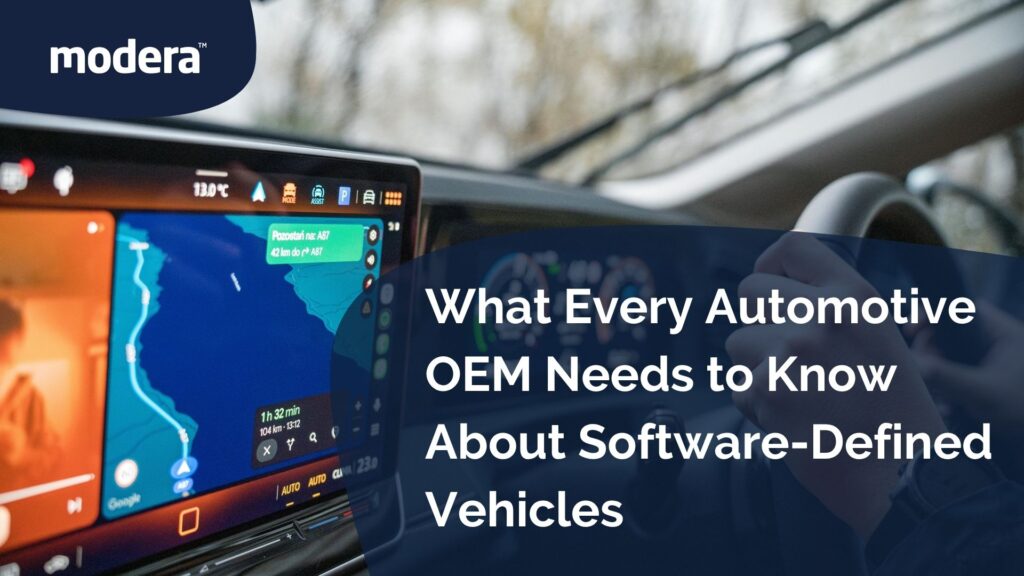
Consumers increasingly expect vehicles to keep improving through software enhancements delivered seamlessly throughout ownership experiences. Many automotive manufacturers now recognize software-defined vehicles as essential foundations for future mobility and competitive differentiation. Although Tesla popularized over-the-air updates, traditional manufacturers increasingly deploy similar capabilities across expanding global vehicle portfolios. Automotive software providers now support manufacturers seeking scalable architectures capable of supporting reliable software-defined vehicles across multiple platforms. Consumers appreciate vehicles receiving security patches, infotainment upgrades, and efficiency improvements without requiring inconvenient dealership appointments anymore. Manufacturers also benefit because software-defined vehicles create stronger customer relationships through continuous engagement after initial vehicle purchases.
Connected technologies continue transforming automotive development priorities because software capabilities increasingly influence purchasing decisions among global vehicle buyers. Traditional product development approaches no longer satisfy evolving customer expectations regarding personalized experiences and continuously improving vehicle performance. Automotive companies therefore invest heavily in centralized computing architectures supporting flexible deployment strategies for software-defined vehicles worldwide. These investments help manufacturers remain competitive while supporting future business models driven primarily through connected automotive software ecosystems.
Vehicle lifecycle management is becoming entirely software centric
Over-the-air updates fundamentally transform lifecycle management because manufacturers can modify vehicle functionality remotely throughout operational ownership periods. Historically, manufacturers addressed defects through expensive recalls requiring dealership visits, replacement components, and extensive customer communication processes. Today, software-defined vehicles enable manufacturers to resolve many operational issues remotely while reducing warranty costs and service disruptions.
Manufacturers also deploy performance optimizations remotely, extending vehicle relevance while increasing customer satisfaction during longer ownership timelines globally. Software updates help automotive companies address cybersecurity vulnerabilities quickly before threats compromise customer safety, privacy, or operational reliability. Automotive software providers therefore play increasingly strategic roles supporting manufacturers through secure deployment pipelines and comprehensive monitoring capabilities.
Continuous software management additionally enables manufacturers to collect operational insights supporting predictive maintenance strategies and product development improvements. These capabilities allow software-defined vehicles to evolve dynamically according to changing regulations, customer expectations, and technological advancements worldwide. Vehicle lifecycle management consequently becomes more efficient because manufacturers maintain direct digital relationships throughout ownership experiences and interactions. This transition significantly reduces operational inefficiencies while improving long-term profitability across increasingly competitive automotive markets and segments globally.
Customer experience depends heavily on continuous innovation with software-driven vehicles
Modern consumers increasingly evaluate vehicles according to digital experiences, connectivity features, and personalized functionality supporting everyday transportation needs. Thus, software-defined vehicles require intuitive interfaces capable of adapting continuously according to evolving customer behaviors and market expectations. Over-the-air updates support these expectations because manufacturers deliver enhanced entertainment features, navigation improvements, and intelligent driving assistance remotely. Customers appreciate avoiding dealership appointments because updates install automatically during convenient periods without interrupting regular transportation routines significantly.
Manufacturers additionally use software-defined vehicles to personalize customer experiences through subscription services and feature activation capabilities remotely. Drivers can unlock premium navigation services, performance enhancements, or advanced safety technologies according to changing lifestyle preferences easily. These flexible business models create additional opportunities for manufacturers while strengthening emotional connections between consumers and automotive brands.
Automotive software providers help manufacturers design scalable platforms supporting reliable feature deployment across diverse regional markets and customer segments. Successful customer experiences increasingly depend upon reliable connectivity infrastructure supporting secure communication between vehicles, cloud systems, and applications. Manufacturers unable to provide seamless digital experiences risk losing market relevance as customer expectations continue evolving rapidly across global regions.
Post-sale revenue opportunities continue to expand
Traditional automotive revenue models depended primarily upon vehicle sales, financing agreements, and maintenance services delivered through dealership networks. Today, software-defined vehicles create recurring revenue opportunities through subscriptions, feature upgrades, and connected digital service ecosystems globally. Manufacturers increasingly monetize advanced driver assistance features, entertainment packages, and energy management tools delivered through software platforms remotely. Consumers often prefer flexible payment structures because subscriptions provide affordable access without requiring expensive upfront vehicle configuration investments. This transformation allows manufacturers to generate predictable recurring revenue streams throughout extended ownership periods and connected service relationships.

Software-defined vehicles also support targeted marketing opportunities because manufacturers collect valuable operational and behavioral data from connected ecosystems. These insights help companies personalize promotional campaigns while improving future software offerings according to customer preferences and driving behaviors. Automotive software providers enable manufacturers to integrate payment systems, customer analytics, and cloud infrastructure within unified operational platforms. Manufacturers additionally benefit because connected ecosystems encourage stronger brand loyalty through continuously improving customer experiences and software capabilities. As competition intensifies globally, recurring software revenue increasingly determines long-term profitability among established manufacturers and emerging automotive companies.
Cybersecurity and compliance as critical OTA strategies for software-driven vehicles
Expanding connectivity capabilities create substantial opportunities, although manufacturers must address cybersecurity risks associated with connected automotive ecosystems carefully. Software-defined vehicles require secure architectures capable of protecting sensitive customer information and critical operational systems from external threats. Regulatory authorities increasingly demand comprehensive cybersecurity standards because connected vehicles influence public safety and national transportation infrastructure reliability. Now, manufacturers implement encryption technologies, authentication frameworks, and continuous monitoring systems supporting secure over-the-air update deployment globally.
Automotive software providers assist manufacturers by developing secure development environments and automated testing capabilities supporting regulatory compliance requirements. Reliable validation processes remain essential because defective updates could compromise safety systems, customer trust, and manufacturer brand reputations significantly.
Software-defined vehicles additionally require transparent data governance policies ensuring responsible collection, storage, and utilization of customer information globally. Manufacturers successfully addressing cybersecurity challenges will strengthen customer confidence while supporting broader adoption of connected vehicle technologies worldwide. Strong cybersecurity practices also reduce operational disruptions because manufacturers detect vulnerabilities proactively before widespread incidents affect connected vehicle fleets. Future automotive competitiveness increasingly depends upon balancing software innovation with comprehensive security protections supporting trusted mobility experiences.
Cloud infrastructure enables scalable automotive software ecosystems
Scalable cloud infrastructure now represents foundational technology supporting reliable deployment and management of connected automotive software services globally. Software-defined vehicles generate extensive operational data requiring advanced processing capabilities, secure storage solutions, and intelligent analytics platforms continuously. Manufacturers depend upon cloud ecosystems because centralized infrastructure supports rapid deployment of software enhancements across geographically distributed vehicle fleets.
Cloud technologies additionally enable real-time diagnostics, predictive maintenance capabilities, and personalized customer experiences supporting long-term engagement strategies effectively. Automotive software providers increasingly deliver integrated cloud solutions supporting development workflows, deployment pipelines, and operational monitoring capabilities simultaneously. These integrated platforms help manufacturers accelerate innovation cycles while reducing software development complexity across expanding vehicle portfolios internationally.
Software-defined vehicles also require reliable edge computing capabilities supporting low-latency communication between onboard systems and centralized cloud environments. Manufacturers now prioritize partnerships with technology providers offering scalable infrastructure supporting future automotive software innovation requirements globally. Efficient cloud ecosystems ultimately improve operational agility while supporting continuous software improvements throughout evolving vehicle ownership experiences worldwide. Companies investing strategically in scalable infrastructure will achieve stronger competitive positioning within increasingly software-centric automotive marketplaces internationally.
OEMs must prepare for a software-driven vehicles representing the automotive future
Automotive manufacturers can no longer treat software capabilities as secondary considerations within broader vehicle development and operational strategies. Software-defined vehicles increasingly determine customer perceptions because digital functionality now influences convenience, safety, entertainment, and long-term ownership satisfaction. Manufacturers adopting comprehensive OTA strategies position themselves competitively while improving operational efficiency and generating recurring software-driven revenue streams.
Automotive software providers have become essential strategic partners supporting scalable architectures, cybersecurity frameworks, and integrated cloud infrastructure capabilities. Successful manufacturers will prioritize organizational transformation because software-centric operations require different development processes, partnerships, and workforce capabilities internally.
Software-defined vehicles also encourage faster innovation cycles because manufacturers deploy enhancements continuously instead of relying exclusively upon traditional model refreshes. This flexibility enables manufacturers to respond rapidly when market conditions, customer expectations, or regulatory requirements change unexpectedly across regions. OEMs embracing connected ecosystems today will establish stronger competitive advantages while supporting future mobility innovation opportunities successfully. The automotive industry consequently enters a transformative period where software capabilities increasingly define long-term commercial success and customer loyalty. Manufacturers investing strategically in software-defined vehicles today will remain competitive within rapidly evolving global mobility ecosystems tomorrow.
